
Konecta Solar Illuminates the Solar Industry
Solar energy is expanding rapidly worldwide, and Canada is emerging as a leader in installations per capita. Stay updated with the latest solar industry news from Konecta Solar.
Demystifying Kilowatt Hours: How They Can Help Lower Your Electric Bill
Kilowatts vs. Kilowatt Hours: What’s the Difference?
Let’s break it down: a watt measures power—the rate at which energy is used. For example, a 100-watt light bulb consumes energy faster than a 60-watt bulb. When scaled up, 1,000 watts equal a kilowatt (kW).
The difference between kilowatts (kW) and kilowatt hours (kWh) lies in time. While kW indicates power at a specific moment, kWh measures energy usage over time. Think of it like workers: kW represents the number of workers, while kWh represents the total work they do. For instance, 4 workers working for 2 hours equal 8 work-hours, just as 4 kW used for 2 hours equals 8 kWh.
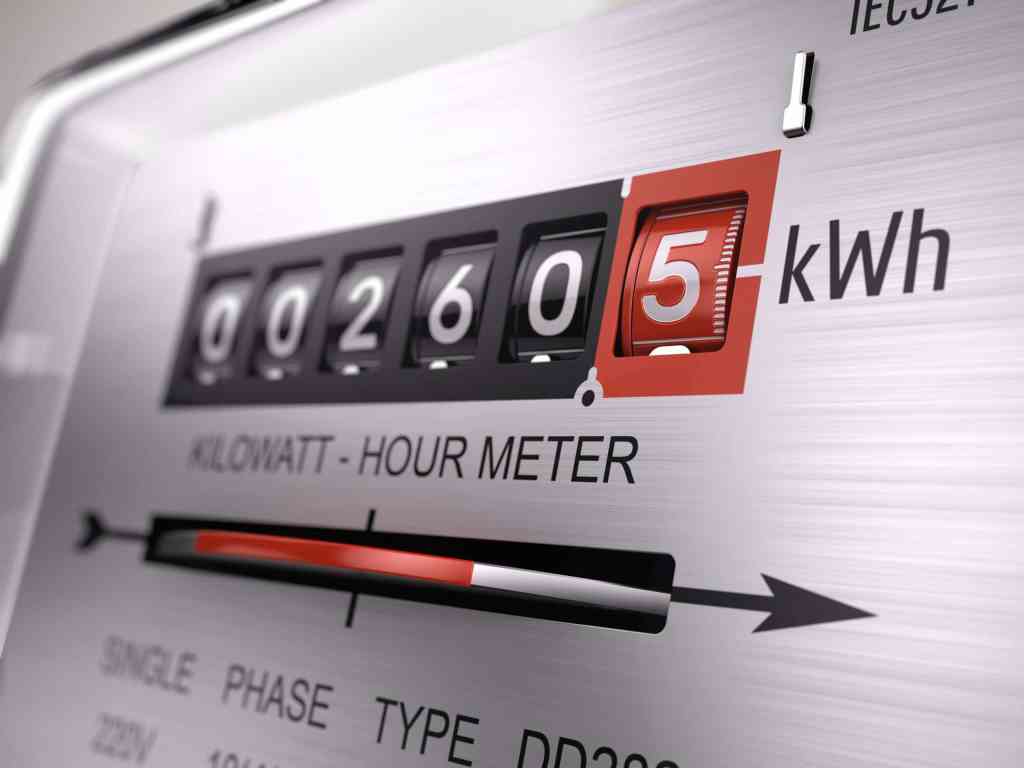
Simply put, a kWh shows how much energy a device uses in an hour. For example, a 1 kW appliance running for one hour uses 1 kWh. Your electric bill is calculated primarily based on the total kWh consumed during the billing period, along with a fixed utility charge.
How to Understand and Calculate kWh
Knowing how kWh works helps you track your electricity consumption more effectively. For instance, a 1.5 kW hair dryer running for one hour uses 1.5 kWh of energy, while using it for 15 minutes consumes just 0.375 kWh.
This principle applies to all devices, including solar panels. Under ideal conditions, a 500-watt solar panel produces 0.5 kWh of energy in one hour.
How to Convert and Calculate
- Watts to Kilowatts: Divide watts by 1,000.
- Example: A 1,200-watt dishwasher ÷ 1,000 = 1.2 kW.
- Watts to Watt-Hours: Multiply watts by the hours used.
- Example: A 1,200-watt dishwasher running for one hour uses 1,200 watt-hours.
- Kilowatts to Kilowatt-Hours: Multiply kW by the hours used.
- Example: A 1.2 kW dishwasher running for one hour uses 1.2 kWh.
Tracking Your Energy Usage
Start with Your Utility Bill
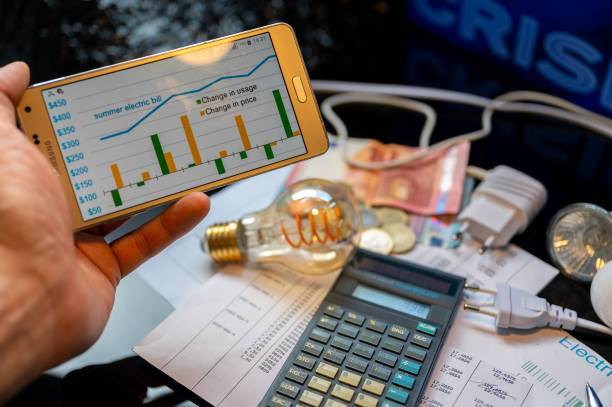
Your utility bill is an excellent resource for understanding your energy consumption. Check the section that outlines your kWh usage. To dig deeper, use tools like electricity usage monitors or online calculators to estimate the energy consumption and cost of individual appliances.

How to Calculate Daily or Annual Energy Usage
Daily Usage:
(Wattage × Hours Used Per Day) ÷ 1,000 = Daily kWh
Example: A 1 kW device used for 3 hours a day consumes 3 kWh daily.
Annual Usage:
Daily Usage × Days Used Per Year = Annual kWh
Example: A 1 kW device used every day for a year consumes 365 kWh annually.
Maximizing Energy Savings and Efficiency

Improving energy efficiency can greatly lower your electricity costs. Upgrading to Energy Star-certified appliances offers long-term energy savings, while simple actions like unplugging unused devices and switching off lights when not in use can further reduce your energy consumption.
The Power of Solar Energy

Switching to solar power is a smart way to lower your energy bills. Solar panels enable you to generate your own electricity, reducing your dependence on the grid and even earning credits through net metering for surplus energy sent back to the grid.
At Konecta Solar, we guide you every step of the way—from assessing your energy needs to designing a custom solar system tailored to your home or business. Our experienced Solar Advisors make the transition seamless, helping you unlock the full potential of solar energy.
Start your journey to energy independence and savings with Konecta Solar. Together, we’ll create a more energy-efficient and sustainable future.
 Welcome to Konecta Solar